


The U.S. Supreme Court struck down the Trump administration’s tariff scheme, holding that it was unconstitutional in a 6-3 decision. While there were differences of opinion within the majority about the relevance of the major questions doctrine, the message from justices Roberts, Barrett, Gorsuch, Kagan, Sotomayor, and Jackson was clear: Executive branch actions are reviewable by courts, and the president does not possess unlimited powers. The decision appears to have shattered Trump emotionally, and the president had what most observed as a temper tantrum before the TV cameras, even going so far as to accuse the justices of being under the influence of foreign interests.
Last November, Cold Eye Earth reported on the oral arguments presented to the court, and that’s when we all learned, based on two hours of questioning, that the plaintiffs could probably count on at least six justices to ultimately find against the administration as the three liberals on the court were likely to be joined by Gorsuch, Barrett, and Roberts who would ultimately write the opinion for the majority. The Cold Eye Earth summation at the time works well as a re-cap of the case, now decided:
When President Trump imposed across-the-board tariffs on the entire world this past April, he arrogated powers to himself and the executive branch that no president before him has attempted to claim. Justice Barrett pressed the solicitor general fairly hard on the fact that the powers enumerated in the IEEPA legislation not only do not include the word tariff, but “the actual verbs” cited in IEEPA—investigate, block, nullify, void, prevent, prohibit, regulate, direct, and compel—have not been used elsewhere by Congress as stand-ins or substitute concepts for tariffs. Chief Justice Roberts appeared quite resolute in his questioning, saying several times that tariffs are indeed taxes—a theme also sounded out by Justice Sotomayor. Gorsuch, meanwhile, appeared to be rather agitated by the top-down implications of the case, as he repeatedly laid out a scenario whereby either Congress and/or the Supreme Court hands too much power to the president. The country would discover over time, in his view, that such power, once granted can never be clawed back. By the time the plaintiff’s lawyer, Neal Katyal, rose to make their case, it was already clear the government was facing a steep climb: IEEPA does not grant tariff powers in the text, and even if it did, granting revenue-raising powers to the president is something Congress simply can’t be allowed to do.
The standout event of the majority’s opinion surely has to be the very lengthy, 46-page concurrence by Gorsuch, in which he takes to task three of his colleagues on the left and three more on the right. Each set of three, in his view, has long been playing hide-and-seek with the major questions doctrine, and he suggested pretty clearly that the three conservatives (Kavanaugh, Alito, and Thomas) were denying executive powers to Democratic presidents, and expanding them on behalf of Republican presidents while suggesting the three liberals (Kagan, Sotomayor, and Jackson) were doing the same in reverse, favoring power expansion to Democratic presidents and leaning against Republican presidents (as they did in this case). The man has a point! For Gorsuch, the major questions doctrine and the related non-delegation principle were central to this case. After chastising the conservatives who dissented from the 6-3 opinion for pretending these questions were not applicable, he then pointed to the liberals who had concluded that “the statutory language of IEEPA” was sufficient to deny the president its use as a global tariff vehicle. For Gorsuch, they too were avoiding the major questions doctrine.
Gorsuch’s view may very well have ramifications as Trump attempts to stitch his tariff regime back together using other legal facilities (supposedly) available to him. By foregrounding the robust theme that the executive must generally go through Congress to either enact or sustain tariff actions, he is transmitting to the federal judiciary (in part) a guiding principle they may use as future cases come before them.
Suggested Reading:
Quick Thoughts on the Tariff Decision and the President’s Angry Reaction, by Jack Goldsmith
A breakdown of the court’s tariff decision, by Adam Feldman
Supreme Court, on a 6-3 vote, blocks Trump’s IEEPA tariffs, by Chris Geidner
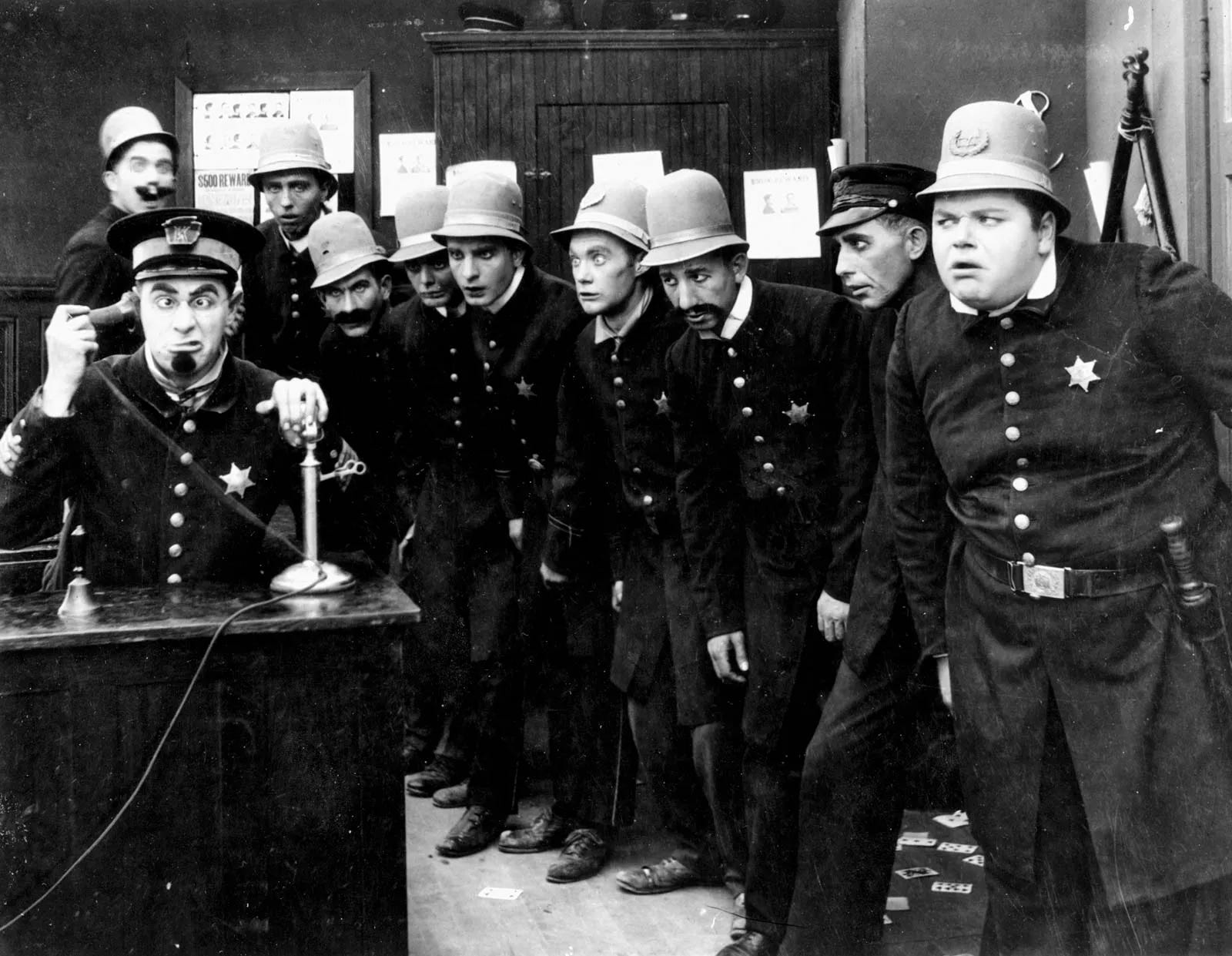
Unsurprisingly, the Trump team returned to the tariff well the very same day, announcing their backup plan to achieve tariff continuity. Let’s pause here and recall the old proverb “As a dog returns to its vomit, so a fool returns to his folly.” The court’s decision opened an escape hatch for Trump—whose public approval craters to new lows each week—to actually step down from this failed scheme. But, as the saying goes, you’ll never guess what happened next: Trump erected, again by executive fiat, a new slate of global tariffs at a 10% rate, then adjusted that rate upward to 15% in a subsequent social media post. If tariffs were alcohol, we might say the president’s on a bender.